Fed up with the crazy rush of everyday life? Gentle sports offer a simple, accessible and scientifically supported response to calm the mind. They reduce stress without pushing the body to exhaustion and are easily integrated into your day.
Chronic stress impacts our sleep, our concentration and our cardiovascular health. Integrating gentle practices helps restore nervous balance and strengthen emotional resilience.
In 2026, hybrid approaches — micro-sessions, nature walks and connected practices measured by heart rate variability (HRV) — are becoming more popular. The benefits are tangible after a few weeks when the practice is regular.
Why gentle sports relieve stress
Gentle sports stimulate the parasympathetic system (“rest and digestion”): controlled breathing, slow movements and body awareness promote a reduction in cortisol and heart rate. Concretely, a session of 15 to 30 minutes can already improve your emotional state.
Unlike intensive workouts, these activities prevent the overproduction of stress hormones and encourage emotional regulation. They are recommended for all ages and particularly useful in times of mental overload, as recalled by the specialized press (Le Monde).
Yoga and meditation in movement
Yoga combines postures, breathing and meditation: it works on both bodily mobility and stress management. Gentle styles (Yin, Hatha, restorative) are perfect for recovering and soothing anxiety without forcing.
In 2026, short formats (10–20 min) and “before work” sessions are gaining popularity. Incorporate some sun salutations, diaphragmatic breathing, and a short guided meditation to lower mental restlessness.
Tai chi and qi gong: the art of slow movement
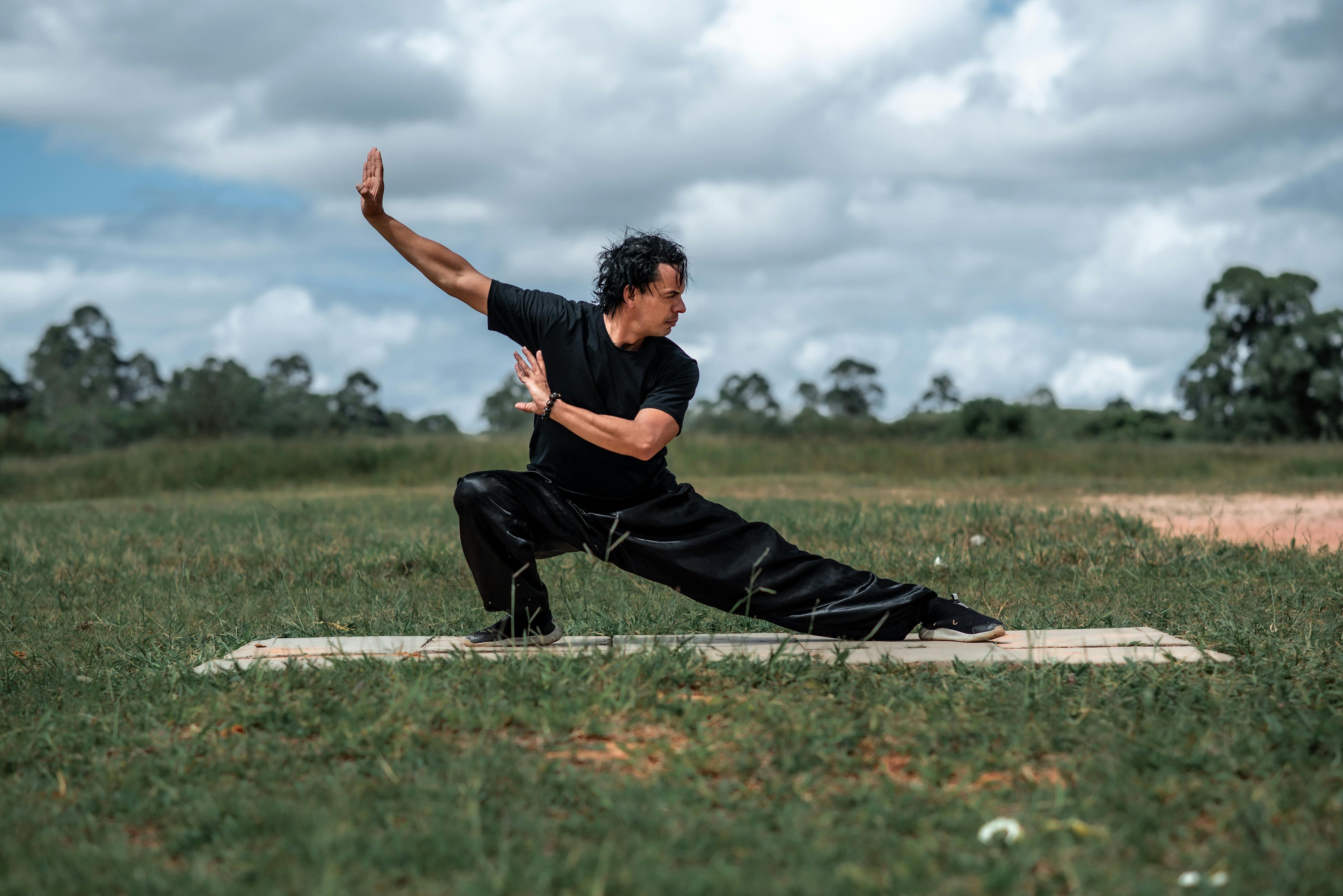
Tai chi and qi gong are age-old disciplines based on fluid sequences and attention to the breath. They strengthen balance, proprioception and mental tranquility. To find out more about these ancestral practices, consult the dedicated sheet (Wikipedia - Tai chi).
Their slow pace promotes energy circulation perceived as soothing, while being accessible to beginners and people with physical limitations. Outdoor classes, especially at daybreak, are particularly beneficial.
Walking, gentle hiking and green exercise
Walking remains the simplest and most effective form of gentle exercise. Walking in nature – forest, seaside, urban park – amplifies the effects through exposure to greenery and natural light, a phenomenon often called 'green exercise'.
By 2026, the concept of “micro-hiking” (30–45 minute sessions around the home) has become a common practice to reduce stress and improve sleep quality. Consider varying the routes to also stimulate cognitive curiosity.
Swimming, aquagym and benefits of water
Water supports the body and allows movements without impact: gentle swimming, aquagym or simply floating promote muscular and mental relaxation. Hydrostatic pressure also helps circulation and venous return, contributing to general well-being.
Blue spaces — beaches, lakes, outdoor pools — are associated with greater stress reduction. Even 20 minutes of gentle activity in an aquatic environment can have an immediate calming effect.
Pilates, stretching and mobility for a serene body
Pilates and mobility sessions focus on alignment, deep core and quality of movement. They strengthen posture, reduce chronic tension and improve breathing, essential levers for managing stress.
Active stretching and morning mobility routines (10–15 minutes) prevent stiffness associated with working from home and prepare the body for a calmer and more productive day.
How to integrate these practices into your daily life
Start with small commitments: 10 minutes of breathing and stretching in the morning, a 20-minute walk at midday and a gentle session in the evening. Regularity matters much more than intensity.
Create rituals: a cozy corner for practice, calm reminders on your phone, or a duo session to maintain motivation. Companies are also increasingly offering supervised well-being breaks to encourage a return to a peaceful mental state.
Tools and trends 2026: wearables, apps and micro-sessions
In 2026, the use of wearables to monitor heart rate variability (HRV) allows you to adapt your practice: the watch or the sensor tells you when to favor a gentle session rather than a more intense effort.
Apps now offer personalized programs combining yoga, guided walking and breathing, with ultra-short formats (5–12 min) effective in reducing immediate anxiety. These tools are practical allies for integrating relaxation into a busy schedule.
Practical advice for staying the course
Set simple goals: 3 gentle sessions per week, then gradually increase. Write down your feelings: mood, sleep quality, energy — these indicators will motivate you when you see progress.
Vary the activities to avoid weariness and combine physical activity and socialization: a walk with colleagues, a tai chi class in the park or a swimming session with a friend multiply the benefits.
Thanks for reading, and don't forget, Enjoy Life Moments!