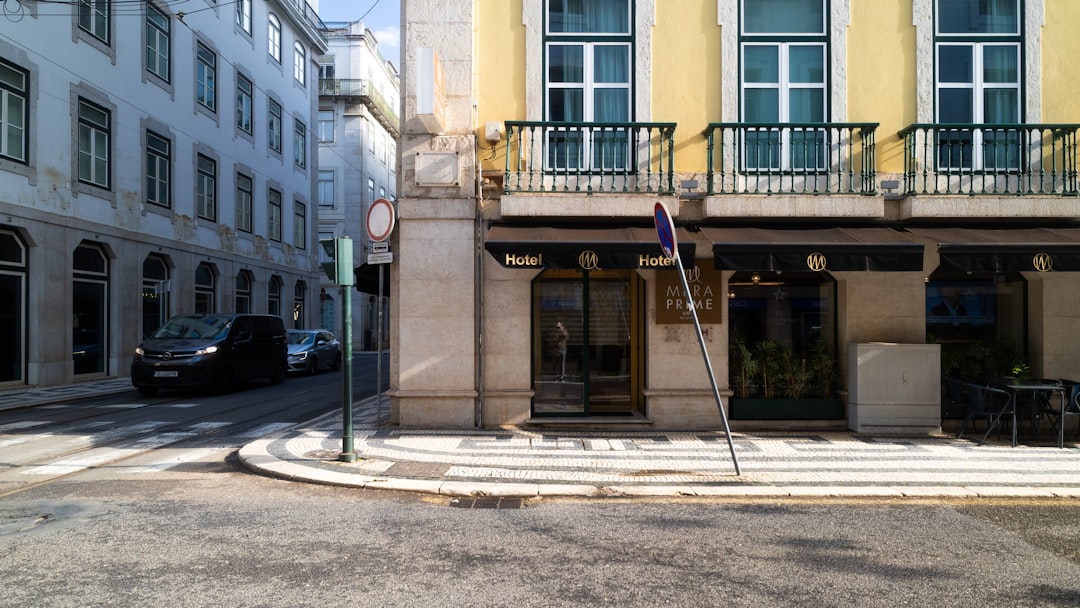
Sunny capital of the Iberian Peninsula, Lisbon has managed to renew itself without denying its soul: century-old tramways, panoramic hills and new creative places like the artistic wastelands of the LX Factory district. In 2026, the city attracts digital nomads, families and travelers in search of authenticity.
This practical guide gives you the best areas to sleep, the gourmet addresses that matter this year, gentle mobility advice and an optimized three-day itinerary. The objective: enjoy without speeding up, respect residents and reduce your footprint.
Why visit Lisbon in 2026
Lisbon continues to invest in sustainable tourism policies and improve services for visitors: reinforced green spaces, hybrid cultural projects and initiatives to limit tourist pressure in historic districts. These developments allow us to rediscover the city far from mass clichés.
Historically rich and open to the Atlantic, Lisbon combines listed monuments, contemporary museums like the MAAT and redeveloped maritime promenades. For a general historical and cultural overview, consult the city profile on Wikipedia.
Where to sleep: sustainable neighborhoods and accommodation
Alfama for authenticity: its cobbled streets and miradouros offer a classic Lisbon experience. We will favor small family pensions or apartments managed locally to support the neighborhood economy and avoid excesses in mass accommodation.
Bairro Alto and Chiado for nightlife and historic cafes: choose boutique hotels committed to sustainable management (plastic reduction, sorting, green energy). The Parque das Nações district appeals to families and business travelers with recent and well-connected structures.
Eating in Lisbon in 2026: addresses and trends
The Lisbon culinary scene is rich and diverse: from traditional bacalhau to neo-Portuguese restaurants that work with local products and short circuits. In 2026, the trend is clearly towards seasonal menus, artisanal fermentation and small neighborhood canteens.
Don't miss the renovated markets to taste directly: seafood, Portuguese cheeses and pastries like pastéis de nata revisited by young chefs. For press recommendations and recent reports on tourism and urban catering, see a reference article on Le Monde.
Getting around: gentle mobility and practical tips
Opt for walking and cycling to explore the central neighborhoods. Lisbon is gradually developing for soft mobility, with cycle paths and well-integrated self-service bicycle and scooter services.
The historic tram (Line 28) remains essential for the atmosphere, but to save time use the metro and funiculars. Consider purchasing a reloadable multi-day card and check out combined transport and museum ticket options.
3-day itinerary: culture, beach and slow travel
Day 1 — Historic center: morning in Belém (Belém Tower, Mosteiro dos Jerónimos), lunch on the banks of the Tagus, afternoon in MAAT and sunset by the water. In the evening, fado in a traditional Alfama house.
Day 2 — Creative neighborhoods and flavors: stroll in Chiado and Bairro Alto, coffee break in a bookstore-café, afternoon at LX Factory for boutiques and street art. Dinner in a canteen selling local products or a fish tavern.
Day 3 — Nature getaway: beach morning in Costa da Caparica or Cascais (30–40 min by train), return by the coast for a stroll and a final seafood meal. Finish with a miradouro to contemplate the city before departure.
Practical advice and respect for responsible tourism
Travel light, favor certified accommodation and eat locally: markets, small producers and family restaurants. Avoid noisy behavior in residential areas late at night and respect the waste sorting rules posted in the neighborhoods.
Inform yourself about remote working possibilities if you are planning an extended stay: Portugal offers several visas and statuses for remote workers, but find out in advance about administrative procedures. Finally, adapt your visits to the seasons: spring and autumn offer a mild climate and fewer crowds.
Thanks for reading, and don't forget, Enjoy Life Moments!