The bright capital of the Atlantic coast, Lisbon remains one of the favorite city breaks for European travelers in 2026. Between historic tramways, popular neighborhoods and a revisited gastronomic scene, the city knows how to combine old charm and responsible innovations.
This 48-hour guide is designed for travelers who want to discover the essentials without running: hourly itinerary, eco-responsible accommodation options, gentle transport and practical advice. For a quick historical reminder, the official city profile offers a good starting point: Lisbon on Wikipedia.
Why visit Lisbon now?
In 2026, Lisbon has strengthened its sustainable tourism offerings: certified hotels, low-emission tours and local catering projects that promote products from the coast and hinterland. These trends make the city ideal for a conscious and gourmet short stay.
The city has also consolidated its infrastructure for teleworking and micro-getaways: coworking cafés, advantageous transport passes and better management of tourist flows. The press is increasingly reporting on these changes and their impact on urban tourism in Europe: see recent coverage for a deeper dive into the trends.
Itinerary: Day 1 — Alfama, Baixa and Belém
Morning in Alfama: start by getting lost in the streets of Alfama, admire the lookout points (Miradouro de Santa Luzia, Miradouro das Portas do Sol) and immerse yourself in the atmosphere of fado. Have a breakfast of local pastries and Portuguese coffee at a neighborhood pastelaria.
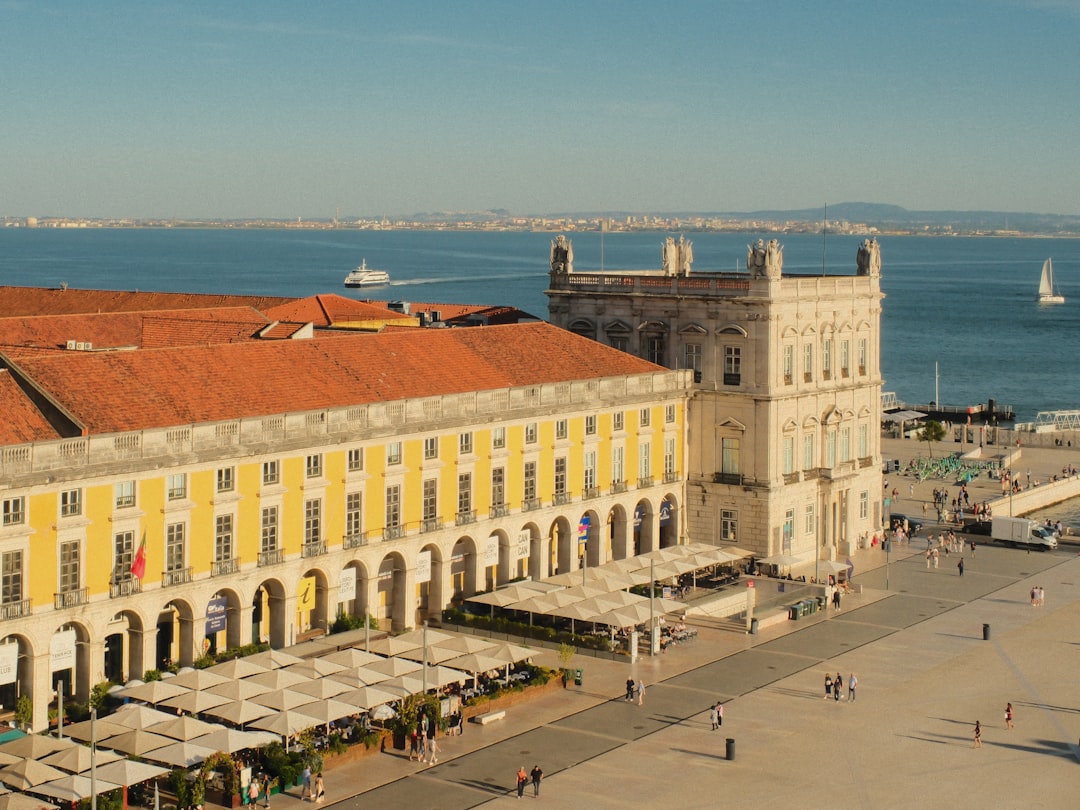
Afternoon in Baixa and Chiado: head down to Praça do Comércio, cross the pedestrian thoroughfares and go up to Chiado for independent boutiques and galleries. At the end of the afternoon, head to Belém to taste the original pastel de nata and visit the Mosteiro dos Jerónimos and the Belém Tower.
Itinerary: Day 2 — LX Factory, Bairro Alto and the modern bank
Morning at LX Factory: a former industrial complex transformed into a creative third place, LX Factory is perfect for brunch, discover concept stores and see the contemporary cultural excitement. It’s also a good spot to find lasting souvenirs and local workshops.
Evening in Bairro Alto and modern bank: stroll in Bairro Alto for its atmosphere, then crossing to Parque das Nações, a modern district with promenades along the Tagus. Between revisited local cuisine and natural wine bars, the evening ends on a friendly note.
Where to sleep and work: sustainable and practical options
Choose certified accommodation (European ecolabels, local sustainability programs) to reduce your footprint. In 2026, many small hotels and long-term apartments are displaying their commitments: energy management, local sourcing and carbon offset programs.
For teleworking, choose hotels with coworking spaces or certified “digital-friendly” cafes. Lisbon also offers hybrid coworking spaces in several neighborhoods, convenient for travelers who want to stay productive without losing the rhythm of travel.
Getting around: green mobility and local tips
Choose public transport (tram, metro, bus) and free-floating electric bicycle and scooter systems for short journeys. Tram 28 journeys remain emblematic, but plan them off-peak to avoid the crowds and enjoy the panorama.
For longer journeys, opt for regional trains or electric shuttles to the surrounding beaches and villages. Renting an electric bike for half a day is often the most pleasant solution for exploring the banks of the Tagus.
Fooding 2026: where to eat ethically and tasty
The Lisbon gastronomic scene now mixes starred chefs and small boutiques offering seasonal products, short circuits and sustainable fishing. Don’t miss the modernized “petiscos” menus and restaurants that promote responsible fishing and local vegetables.
For a typical experience, look for restaurants displaying partnerships with local markets or sustainable fishing labels. The covered markets (Time Out Market remains an option, but also explore the neighborhood markets) offer a compendium of flavors and meetings with producers.
Practical advice and budget
For a 48-hour stay, plan a flexible budget: sustainable mid-range accommodation, varied meals (from street food to fine dining) and public transport. Booking certain tickets (museums, special tram) in advance will save you time and sometimes money.
Think about the little details: comfortable shoes for cobblestones, a reusable water bottle (plenty of refill points) and a local mobility app to track transportation in real time. Finally, respect residents and residential neighborhoods by avoiding late-night noise and favoring local shops.
Thanks for reading, and don't forget, Enjoy Life Moments!