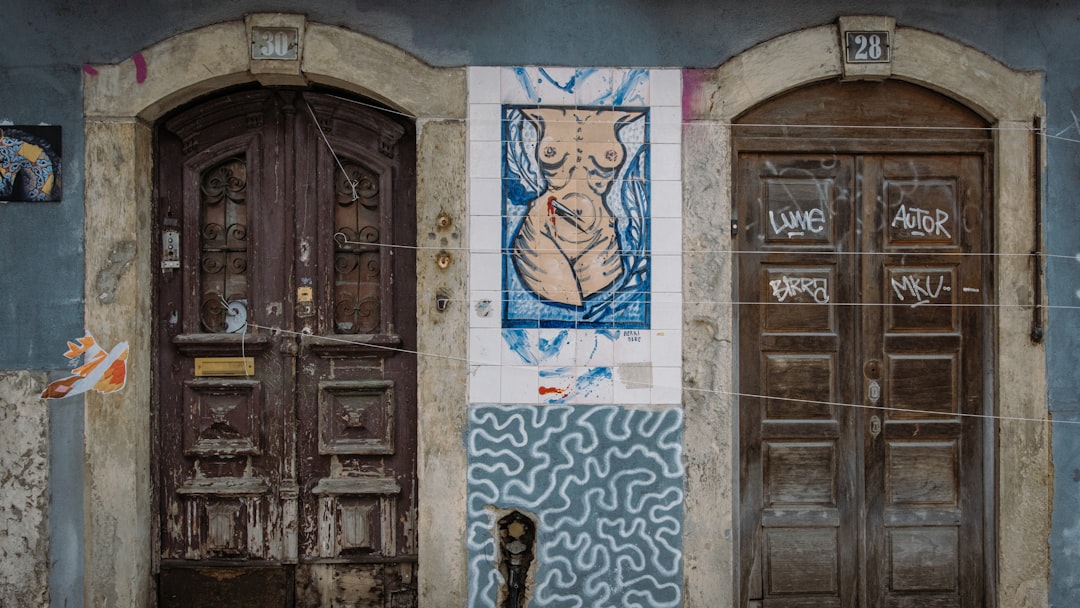
Portugal's sunny capital, Lisbon combines historic hills, azulejo facades and a thriving culinary scene. For a general presentation and historical landmarks, consult the city sheet on Wikipedia, which remains a good starting point for understanding the neighborhoods and monuments.
In 2026, the city has consolidated its attractiveness for short stays and nomads (D7 visa, coworking spaces), while strengthening the rules on tourist rentals and developing responsible tourism initiatives. This guide favors a slow and local approach: walk, taste, take a tram and look up at the miradouros.
What to do in 48 hours
Start with a morning in Alfama, the oldest district of the city. Stroll through its streets, go up to Saint-Georges Castle for a panoramic view and be surprised by the small churches and patios covered in linen.
In the afternoon, cross over to Baixa and Chiado for local designer shopping, bookstores and a café in a lively square. In the evening, Bairro Alto comes alive for aperitifs and fado; book a table if you want to attend an intimate concert.
Where to sleep according to your budget
For an economical stay, choose a pension or a small hotel in Mouraria or Anjos: lower prices and an authentic atmosphere. Modern hostels also offer comfortable private rooms and common areas to meet other travelers.
If your budget is average, look for accommodation in Chiado or Cais do Sodré to be close to transport and nightlife. For a more upscale experience, Principe Real's boutique hotels offer design, gardens and nearby good addresses.
Food: five essential addresses
Taste a pastel de nata in a traditional pastry shop — but don't hesitate to compare: each brand has its version. For a market experience, head to the Time Out Market (Mercado da Ribeira) where several local chefs and stalls showcase the best of Lisbon cuisine.
Look for “petiscos” (Portuguese tapas) in the taverns of Alfama or Bairro Alto, and don't miss the fish and seafood of the day. For a tested and updated selection, consult a specialist press guide such as The Guardian Travel for international recommendations and 2026 food trends.
Getting around and practical tips
The tram, metro and bus network remains the most practical: get a rechargeable Viva Viagem card to save time. The historic trams (notably line 28) are charming but often crowded: choose a trip in the morning to avoid the crowds.
In 2026, the eSIM makes short stays easier: buy a local plan or opt for an international solution. Also think about walking: Lisbon can be explored on foot, but prepare good shoes for the cobblestones and hills.
Sustainable and respectful advice
Promote local restaurants and shops, avoid overcrowded tourist services and respect neighborhood rules (silence at night in residential areas). Since the reforms on tourist rental, municipalities have encouraged longer and more responsible stays: find out before booking.
Choose public transport, cycling in flat areas (or shared scooters with caution), and take your waste home if you visit busy viewpoints. Regenerative tourism is about leaving lasting benefits — choose tours that reinvest in the community.
Budget and typical itinerary
For 48 hours, create a reasonable budget: accommodation (variable depending on season), meals (market meal + a table), transport and a paid activity (museum, fado show). In low season you will save a lot on accommodation and plane tickets.
Suggested itinerary: day 1 morning Alfama + midday market + afternoon Chiado/ Bairro Alto + evening fado; day 2 morning Belém (Belém tour and pastry) + afternoon LX Factory and Miradouro da Senhora do Monte for sunset. Adapt according to your desires and the local rhythm.
Thanks for reading, and don't forget, Enjoy Life Moments!