This immersion invites you to walk slowly between the pink salt marshes of Aigues-Mortes, to listen to the stories of the herders and to observe the flocks of flamingos from respectful observation posts. The objective: to understand local practices, respect regulations and leave with the taste, sounds and know-how that make the region unique.
In 2026, the Camargue Regional Natural Park continues its policy of zoning and protection - with periods of closure of certain sectors for nesting -, and local players are developing low-impact visit offers: guided tours in small groups, accommodation in renovated farmhouses and gourmet tours around rice, salt and the Camargue bull.
Observing flamingos: seasons and good practices
The pink flamingo is the icon of the Camargue, but its observation requires caution: nesting is mainly concentrated between spring and early summer (March to July). To avoid disturbing the colonies, the Park and Nature Reserve impose closed sectors during these months and marked observation points.
The best times for observation are dawn and dusk, when birds gather to feed. Use binoculars and respect official observation posts: approaching on foot off trails, crossing fences or using a drone in the reserve is prohibited and punishable.
The herd and the herdsmen: immersion in traditional breeding
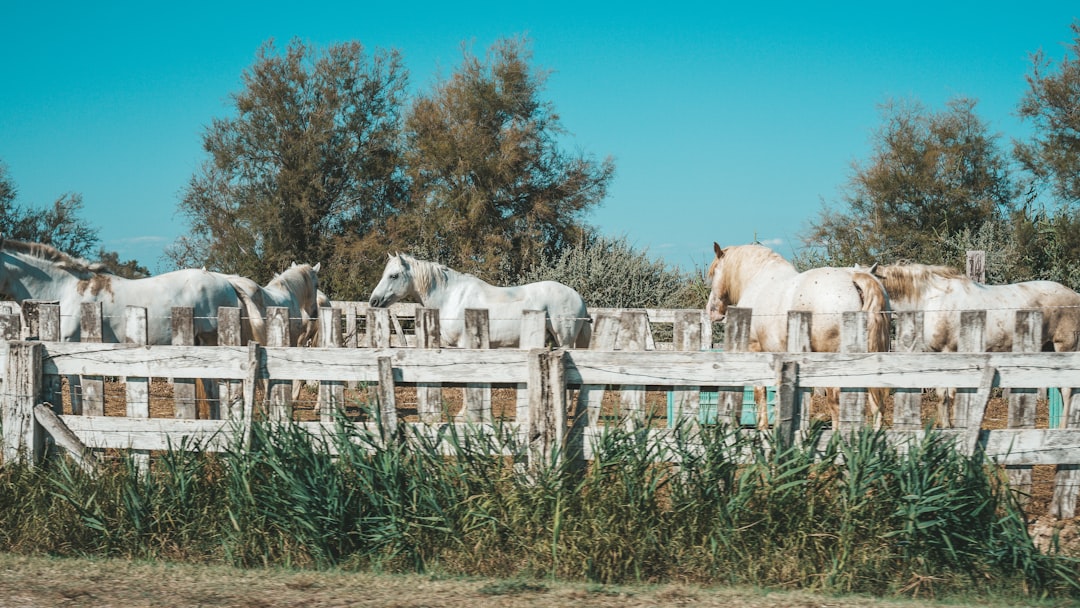
The herd is the traditional breeding unit for Camargue horses and bulls. The herdsmen, guardians of the livestock, perpetuate ancestral gestures — sorting, abrivado, and participation in local festivals — while adapting practices to animal welfare and sustainable pasture management.
Many herds open their doors by appointment for educational visits, supervised horse riding and sorting demonstrations. Book in advance, favor small groups and follow the instructions of the herdsmen for a respectful and authentic approach.
Aigues-Mortes, salt and medieval history
Aigues‑Mortes still bears the imprint of the royal project of the 13th century: the fortified city and the Tower of Constance recall the strategic importance of the port and the salt works for the crown. The exploitation of salt has shaped the landscape and economy since the Middle Ages and continues today in industrial and heritage forms.
The visit to the salt works must be done with recognized operators: certain areas are accessible by guided tour to understand the crystallization of salt, the harvest of fleur de sel and the ecological issues linked to water management. These visits bring together the technique and culture of salt, the historical pillar of the region.
Camargue gastronomy: rice, gardian and fleur de sel
Local gastronomy highlights Camargue rice (IGP), Camargue bull prepared in gardiane, tellines and fleur de sel. The markets of Arles and Aigues-Mortes offer an excellent reflection of the seasons: local products, white and red rice, and artisanal preserves.
For a Slow Life taste experience, look for restaurants that promote local producers and short circuits: seasonal menus, restaurateurs working with herds and micro-salt producers. Always ask for the origin of products (PGI rice, Camargue salt) to support local sectors.
Events and living traditions
The Saintes-Maries-de-la-Mer pilgrimage, a highlight of the gypsy and Christian tradition, takes place every end of May and attracts pilgrims and visitors for ceremonies, processions and music. Around this highlight, bullfighting events — abrivados, Camargue races — punctuate the summer season according to a precise municipal calendar.
Arles maintains its cultural role with festivals and agricultural fairs: the Easter Feria and the Rice Feria (in September) are events where bullfighting traditions and local trades meet. Check the dates and conditions of access with the tourist offices for 2026, particularly due to measures to protect natural areas.
Rules of the Natural Park and practical advice for a responsible stay
The Camargue Regional Natural Park recalls in 2026 the importance of zoning: protected areas with limited access, marked routes for hiking, occasional bans to protect nesting and halophilic flora. Drones and fires are strictly regulated in many areas.
Before leaving, consult the official recommendations and find out about seasonal closures: the Camargue Regional Natural Park website publishes maps and notices, and the Arles tourist office centralizes events and offers responsible excursions. Favor soft mobility (bicycle, boat without engine, local transport) and stay with hosts committed to preserving the territory.
Thanks for reading, and don't forget, Enjoy Life Moments!