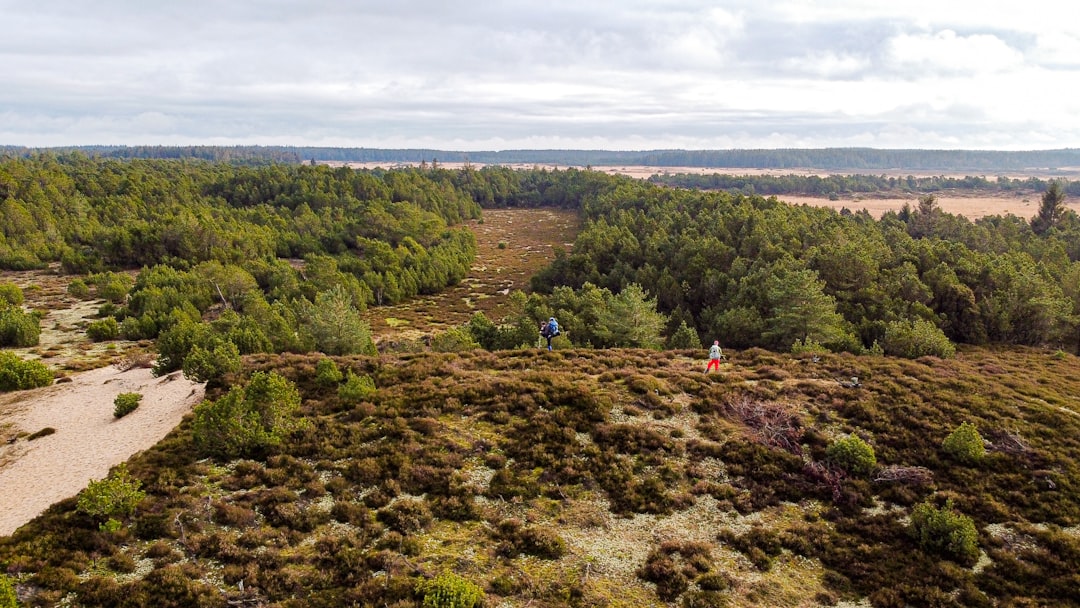
Micro-adventures, a trend that has been growing since the previous decade, have established themselves in 2026 as a sustainable travel practice that is ultra-adapted to modern lifestyles. Between widespread teleworking, soaring flight prices and the desire for regenerative tourism, exploring your immediate area has become a priority for many travelers.
This practical guide gives you ideas for short itineraries, advice for traveling light and responsible, as well as tips for transforming a weekend into a truly rejuvenating break. We rely on recognized good practices and trends observed in the press and professional tourism networks.
Why micro-adventures are a hit in 2026
The logic is simple: fewer constraints, more benefits. Micro-adventures meet the need to quickly disconnect while limiting the climate impacts linked to transport. In 2026, we see a significant shift towards “slow local”: favoring the quality of the experience rather than the distance traveled.
Sector observers also note that public policies and the media regularly report this development. To understand the movement in its context, you can find summaries of adventure travel on Wikipedia and follow French analyzes on sustainable tourism in the general press such as Le Monde.
How to prepare a responsible micro-adventure
Choose a reasonable radius: 1 to 3 hours from your place of residence, favoring the train, carpooling or cycling when possible. Choose protected or less frequented destinations and find out about local rules (sensitive areas, reproduction periods, access to massifs).
Plan taking into account the weather and the group's capabilities. Take the bare minimum, avoid disposable equipment and encourage reuse. The idea is to live a simple but meaningful experience, while reducing waste and the impact on the natural environment.
Short itineraries and ideas for 48 hours (France and Europe)
In France: a night in a tent at the edge of a lake accessible by train, a two-day itinerant hike in a regional park, or a cycling trip between villages and coastal paths. Look for little local treasures: farm inns, bird observatories, uncrowded belvederes.
In Europe: favor night train journeys to optimize time, combine an urban stop (visit to a small town) with a nature immersion less than 60 km away. Night networks and regional connections have become more dense in recent years, making these short stays easier.
Minimum equipment and useful applications
The principle is light: a good pair of shoes, a waterproof jacket, a first aid kit, a headlamp and a compact sleeping bag. In 2026, equipment becomes more compact and durable: choose committed brands and repair rather than replace.
For logistics, use mapping and topoguide applications to prepare your routes, note water points and follow marked trails. User communities share useful trails and tips, but always check official information before heading out.
Safety, respect for spaces and regulations
Always inform someone of your itinerary and expected return time. Carry an external battery and means of signaling. In mountainous or humid areas, adapt your equipment to the conditions and know how to give up if the weather becomes unfavorable.
Respect the “leave no trace” principles: take away your waste, do not pick protected flora and avoid fires in natural environments when they are prohibited. Finally, find out about local regulations (wild camping, access to nature reserves) to avoid fines and protect the places you love.
Thanks for reading, and don't forget, Enjoy Life Moments!