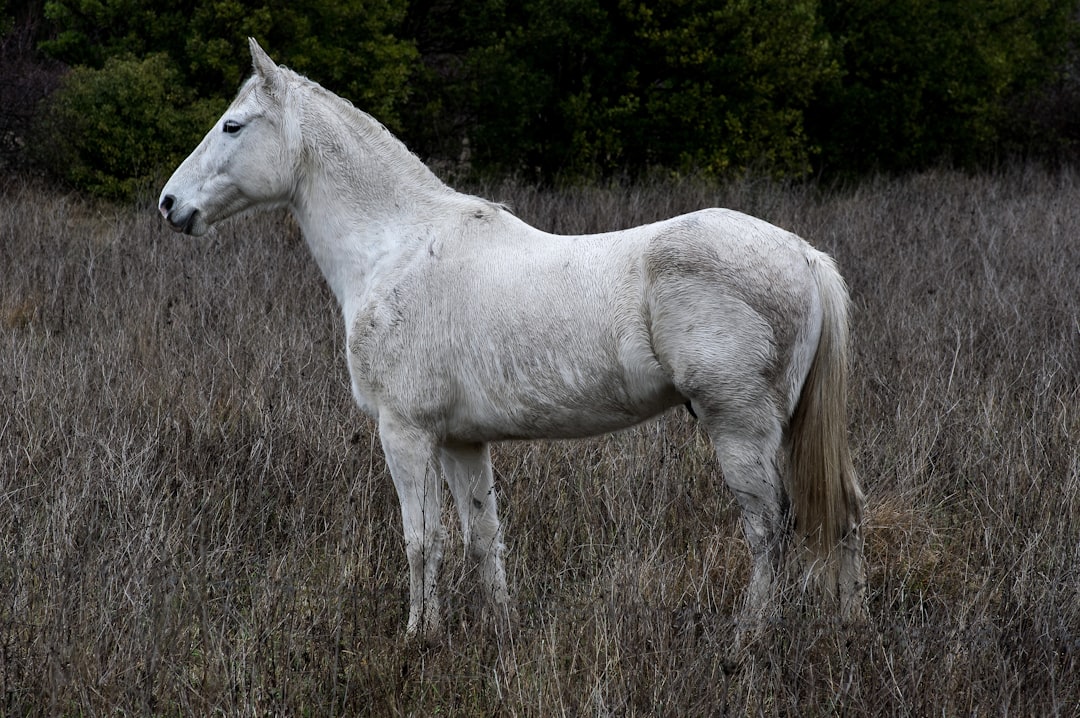
In the flat, saline landscapes of the Camargue, these horses are not simple animals: they are the beating heart of a herding culture, shaped by salt, water and the hand of man. Their presence punctuates Arles, Saintes-Maries-de-la-Mer and Aigues-Mortes, and invites you on a sensory journey.
Between ancestral traditions and protection of natural spaces, the Camargue horse unites the wild and the human. This article explores its history, its life in the wild, its place in the ecosystem and how to meet it while respecting its environment.
Origins and characteristics of the Camargue horse
The Camargue horse is a rustic breed, adapted to salt marshes and muddy terrain. Often gray in color as an adult, it appears white from afar, an image that forged its myth.
Small, robust and resistant, it was bred to work in extensive herds. Its morphology and character make it an ideal companion for herdsmen and long days in the herds.
Life in the herd and the role of the herdsmen
Manades are extensive breeding farms where horses live in semi-freedom. The herdsmen, traditional horsemen of the Camargue, manage these herds with know-how, respect for the animals and intimate knowledge of the territory.
The relationship between rider and horse is both practical and cultural: the herdsmen sort the animals, transhumance in the marshes and pass on ancestral gestures found in ferias and local festivals.
Wild Camargue: wildlife, flamingos and marshes
White horses share the landscape with exceptional fauna: pink flamingos, terns, herons and ducks make the marshes a living theater. Cohabitation between species is fragile and precious.
To understand and protect this balance, local associations and research centers carry out inventories and conservation programs. To find out more about environmental protection, visit the Camargue Regional Natural Park website.
Where to see the horses: Arles, Saintes-Maries-de-la-Mer and Aigues-Mortes
Arles offers horseback riding in the early morning, while Saintes-Maries-de-la-Mer is the scene of great garden traditions and ferias. Aigues-Mortes, further north, completes the experience with its ramparts and salt marshes.
Horse riding, visits to herds and photo days allow you to approach these animals without disturbing them. For practical information and guided tours, check with local tourist offices and specialist reserves such as the Tour du Valat, a wetland research center.
Photography, ethics and tips for observing them
Always respect the distance: approaching a herd too closely can stress it. Favor long focal lengths, lower the volume and avoid flashes for authentic and responsible images.
Choose mild hours (dawn or dusk) for light and to see active horses. Prepare boots suitable for muddy terrain and find out about local rules before entering a herd.
Cultural symbol: festivals, legends and emotion
The white horse irrigates Camargue culture: it appears in legends, festive costumes and religious ceremonies of Saintes-Maries. It symbolizes freedom but also attachment to a rooted way of life.
Attending a sorting demonstration, a Camargue race or a herdsman ceremony means understanding why these horses touch so many visitors: they are a promise of space and authenticity.
Thanks for reading, and don't forget, Enjoy Life Moments!