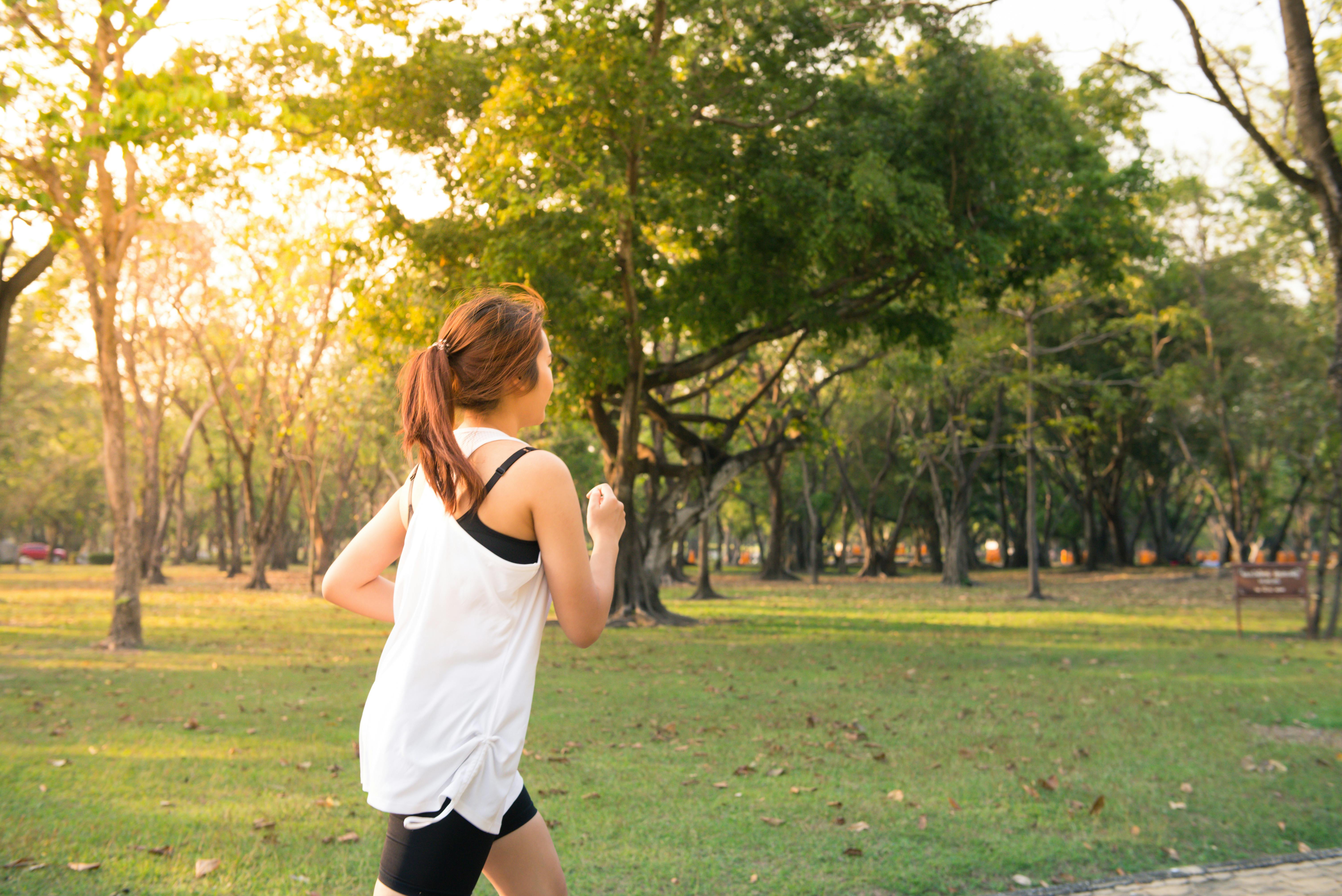
Sport is not just a physical activity: it is a long-term investment in your well-being. Practicing regularly changes your body, your mind and the way you live each day.
In 2026, sports practice has evolved: micro-sessions, hybrid home/room training, virtual coaches and monitoring via connected objects make the activity more accessible than ever. But beyond fashion, it is the profound and lasting effects on the quality of life that explain the craze.
In this article, we review the concrete benefits – physical, mental, social – and provide keys to transforming a fleeting routine into a lasting habit. Focus on the real impact and strategies to sustain in the long term.
Physical benefits and longevity
Sport improves cardiovascular capacity, strengthens muscles and promotes a healthier metabolism: these are pillars for preventing chronic diseases such as diabetes or hypertension. Epidemiological studies show that regular activity is correlated with a healthier life expectancy.
On a daily basis, this translates into less chronic pain, better mobility and faster recovery after exercise or illness. To explore the physiological mechanisms in more detail, see the summary available on Wikipedia.
Mental health: stress, anxiety and resilience
Sports practice releases endorphins and regulates the nervous system, which reduces stress and improves mood. In 2026, research confirms that exercise is an effective tool for mild to moderate anxiety and builds resilience in the face of challenges.
Beyond the biochemical effects, physical activity offers routines and concrete objectives, crucial for structuring the days and combating mental rumination. Even 15 to 20 minutes a day of brisk walking or strengthening is enough to see lasting benefit.
Sleep, energy and productivity
A regular cycle of exercise improves the quality of sleep: we sleep more deeply and recover better, which increases daytime energy. The link between physical activity and sleep hygiene is now widely documented by sleep practitioners.
Direct consequence: better concentration, increased creativity and more stable productivity at work or in personal projects. Incorporating active micro-breaks during the day optimizes these gains without disrupting your schedule.
Social life, self-esteem and relationships
Sport is often a social activity — clubs, group classes, runs with friends — and promotes social connections, essential to well-being. Sharing a sporting goal strengthens mutual trust and creates rituals that sustain relationships.
On an intimate level, feeling in shape improves self-image and daily vitality, two factors which nourish complicity and closeness in the couple. Team sports, for example, develop empathy and non-verbal communication.
How to integrate sport in a sustainable way
The key is not maximum intensity but regularity and pleasure. In 2026, trends favor micro-sessions (less than 20 minutes), variation of stimuli and the use of apps or connected objects to personalize training. These tools help you stay motivated without pressure.
For official recommendations on frequency and intensity appropriate for each age, consult public health resources and adapt a simple plan: three weekly mixed sessions (cardio, strengthening, mobility) and a social activity to keep it fun. See also the advice from health authorities to get started safely via Santé Publique France.
Small gestures, big results
Adopting an active lifestyle does not always require an expensive subscription: walking, climbing stairs, gardening or dancing at home produce significant cumulative effects. The important thing is consistency and diversification of movements to use the entire body.
Finally, combining a balanced diet, recovery (sleep, stretching) and appropriate monitoring (doctor, coach) maximizes the benefits and reduces the risk of injury. Sport then becomes a lasting pillar of a better quality of life, and not a simple one-off objective.
Thanks for reading, and don't forget, Enjoy Life Moments!